Dusti Bongé and Dorothy Hood at the Ogden Museum of Southern Art, New Orleans, LA
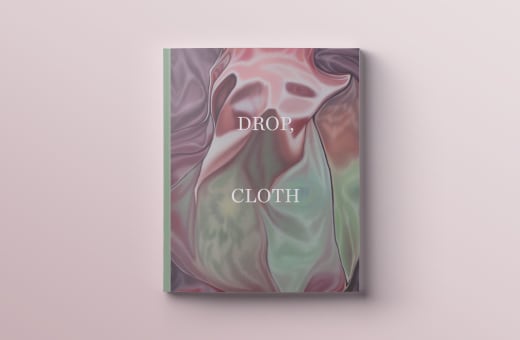
'Vicinal Visions: Dusti Bongé, Ida Kohlmeyer & Dorothy Hood'
21 March – 19 July 2026
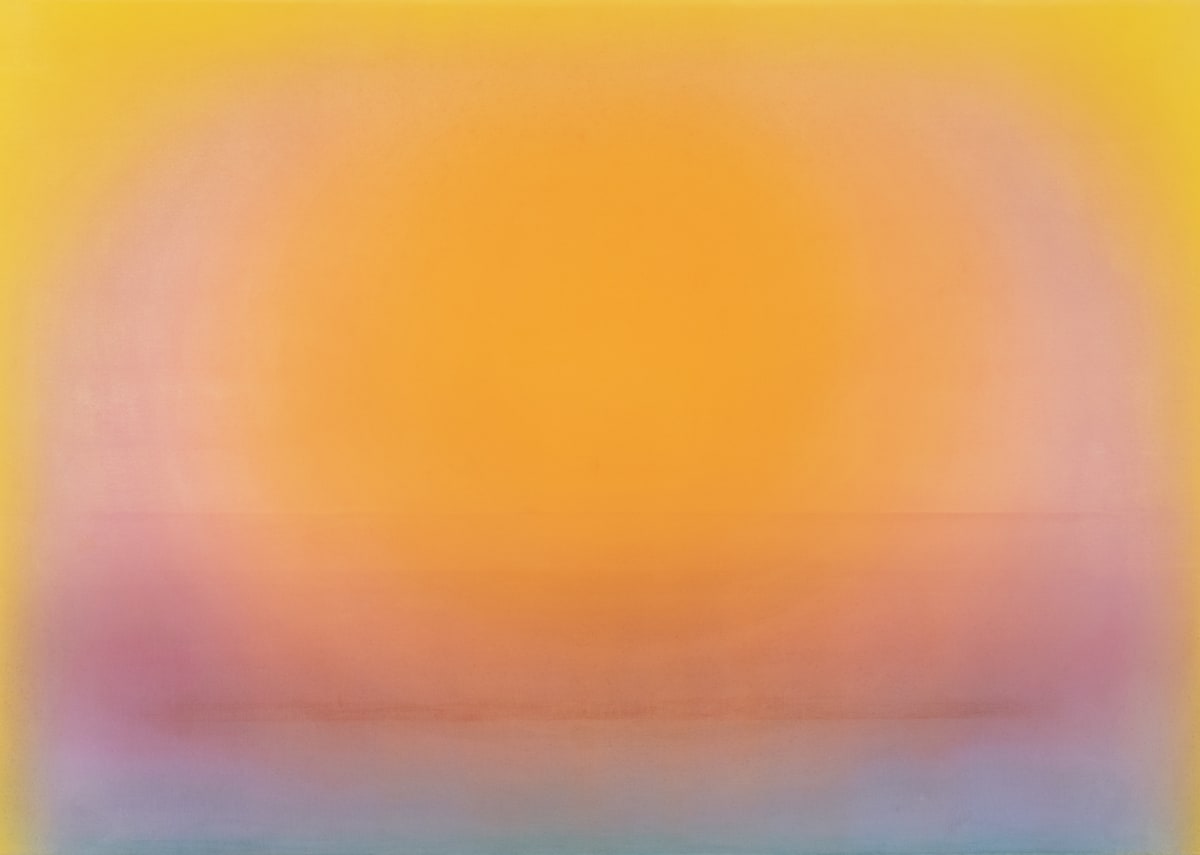
The exhibition traces the sustained inquiry into color as structure and subject.
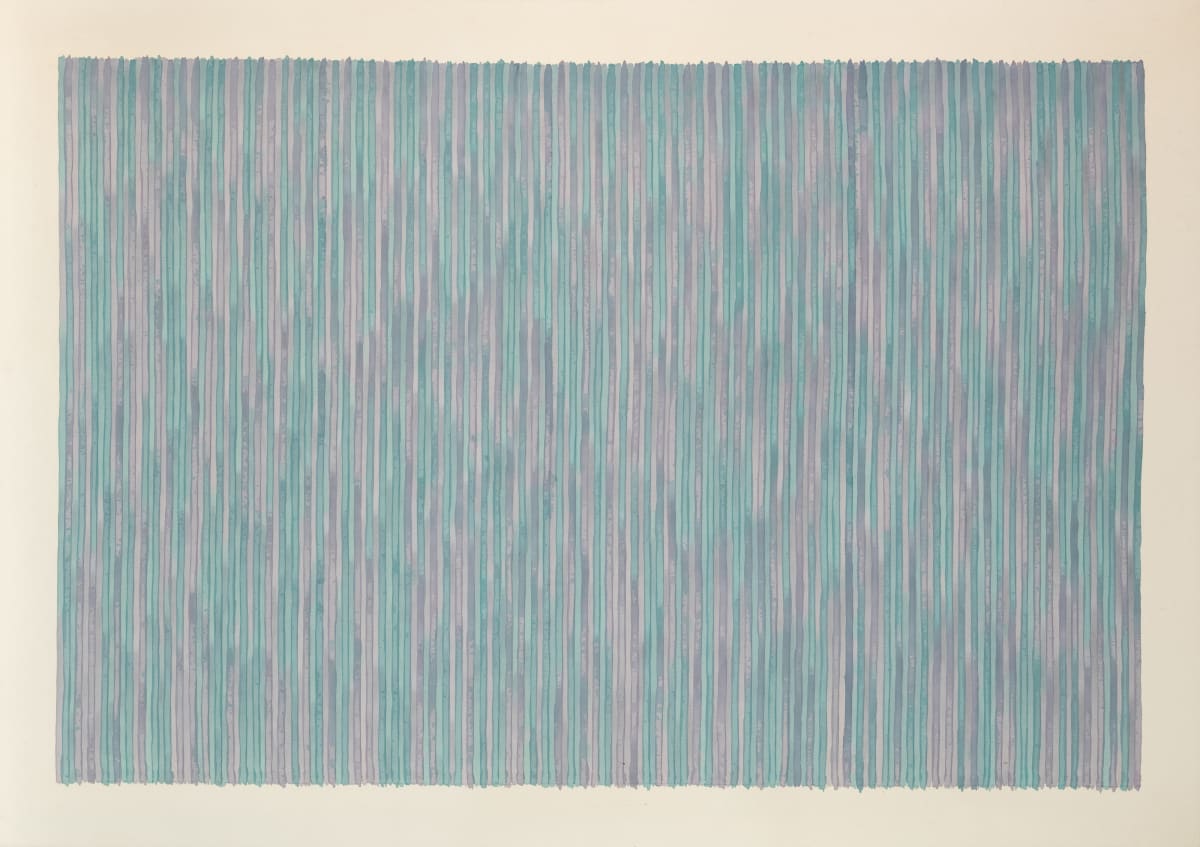
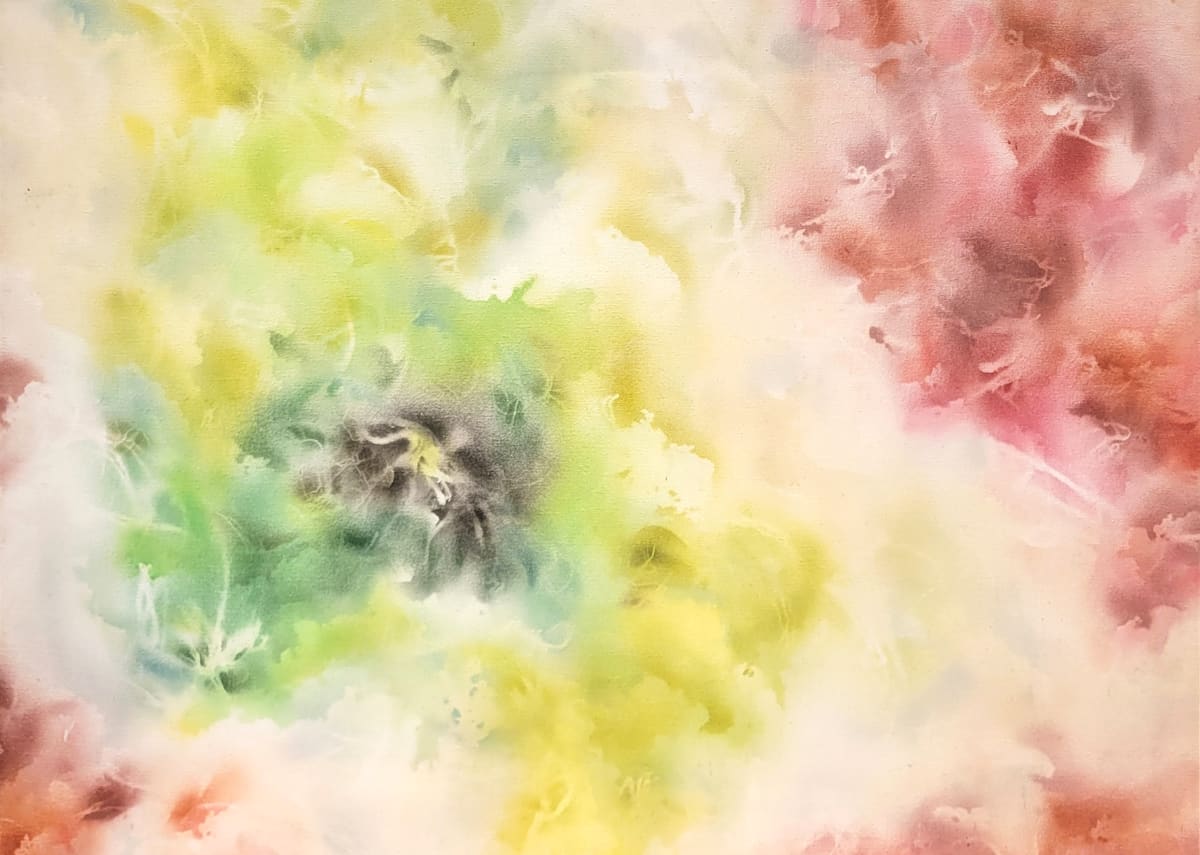
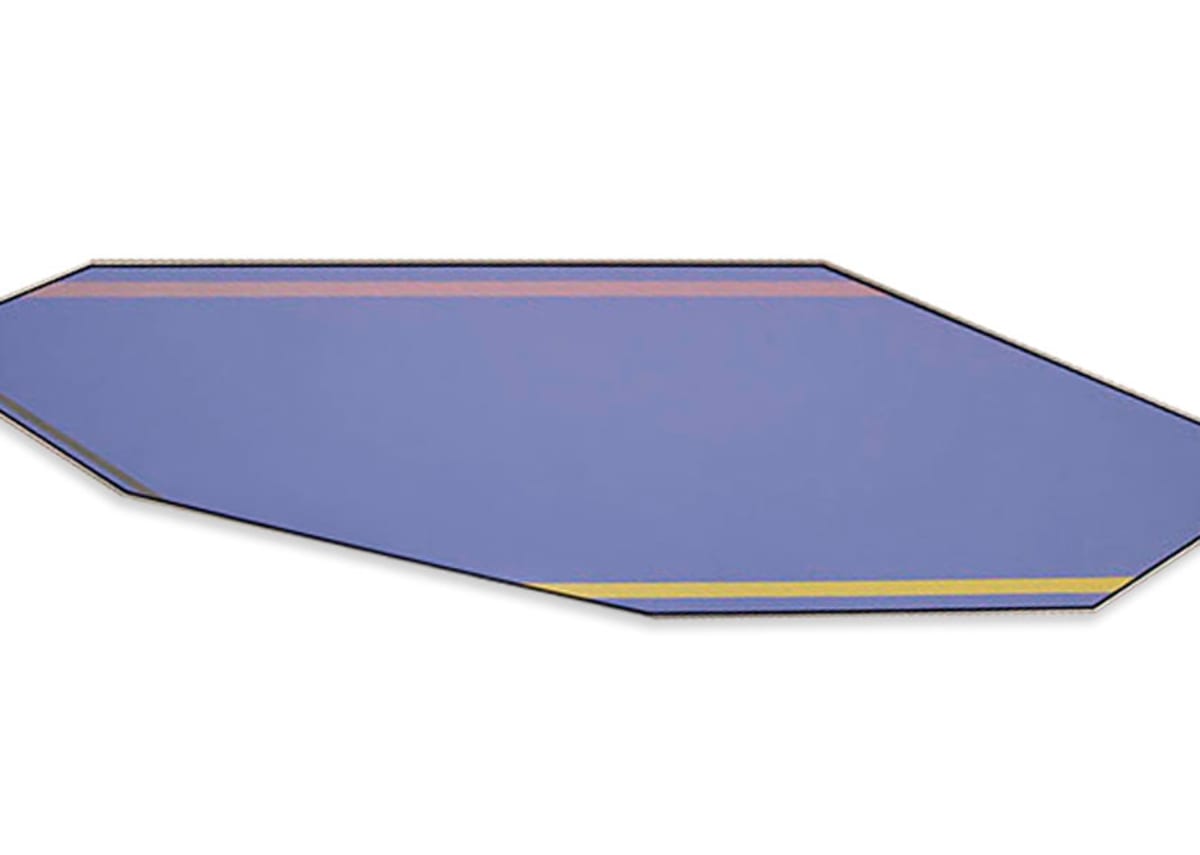
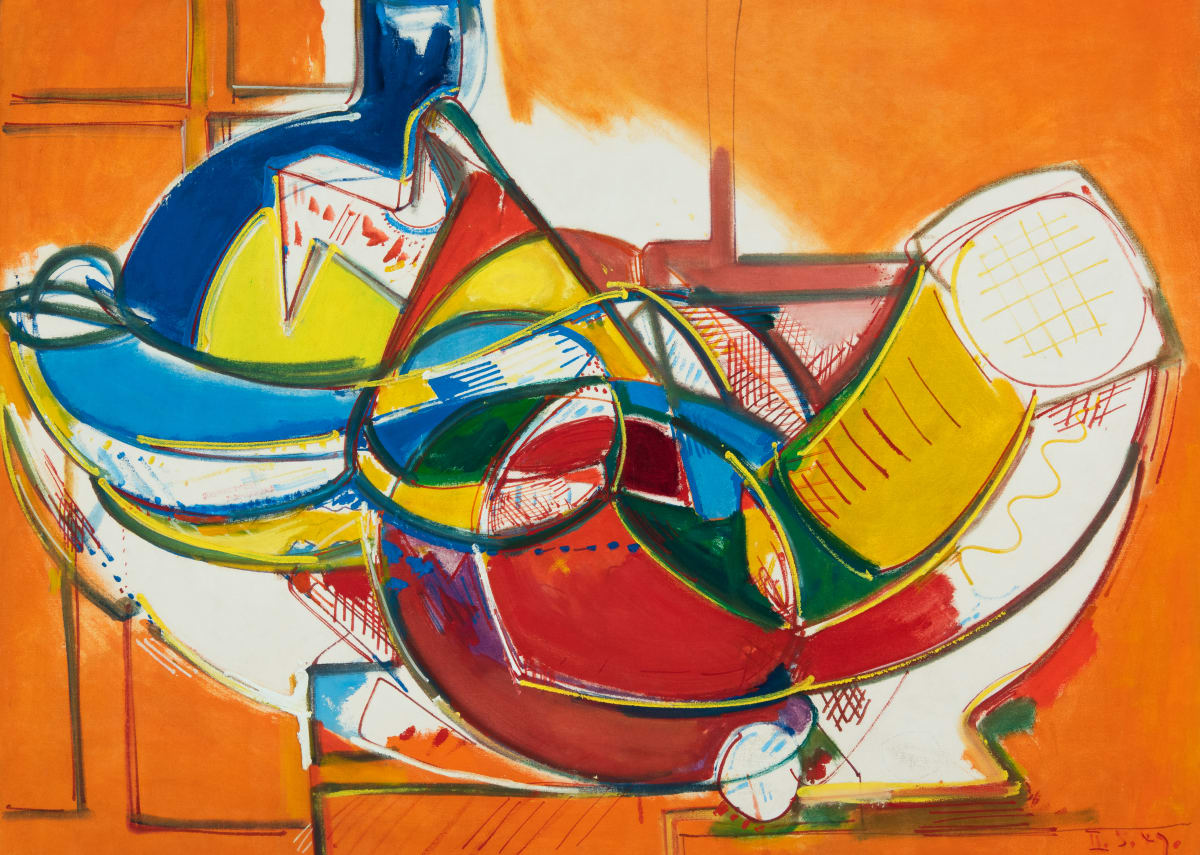
Hollis Taggart is pleased to present Expanded Fields, a historic group exhibition examining the emergence and evolution of Color Field painting and its expanded dialogue across postwar abstraction. Featuring works by Gene Davis, Morris Louis, Kenneth Noland, Jules Olitski, Friedel Dzubas, Leon Berkowitz, Sam Francis, Larry Poons, Hans Hofmann, Dorothy Hood, Sheila Isham, Teruko Yokoi, and Anthony Caro, the exhibition traces the sustained inquiry into color as structure and subject. The exhibition will be on view on the first floor of Hollis Taggart in Chelsea from January 15 to February 21, 2026, with an opening reception on Thursday, January 15 from 6 to 8 pm.
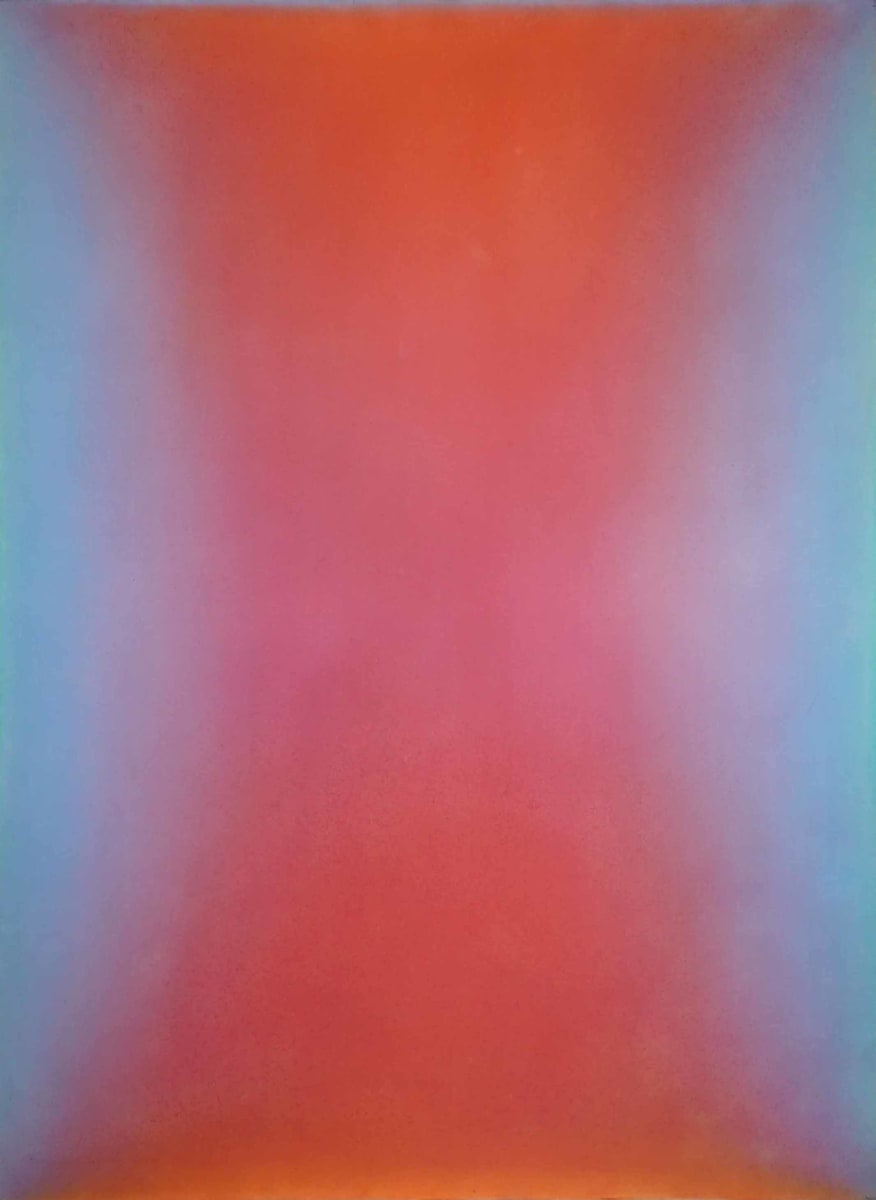
Chronologically, Expanded Fields begins with Hans Hofmann’s 1946 canvas Red Shapes which provides a critical historical anchor and foregrounds the pedagogical and theoretical foundations of color in painting that would inform subsequent generations. Hofmann, a German-born American painter whose work in the 1940s heralded Abstract Expressionism, went on to teach the next generation of artists such as Helen Frankenthaler who, along with Morris Louis, Kenneth Noland, and Friedel Dzubas, moved away from the painterly gesture to focus instead on fields of dense color. Thus, rooted in the legacy of Abstract Expressionism but marked by a decisive shift away from gestural emphasis, Color Field painting privileged chromatic intensity, expansive scale, and the dissolution of figure-ground relationships. In these works, color operates not as descriptive element but as an immersive force absorbed into raw canvas, layered into atmospheric veils, or articulated through optical rhythm and spatial resonance.
Key examples include Morris Louis’s Number 1-51 (1962), in which poured acrylic pigment saturates the canvas to create vertical bands of pure chromatic flow, and Kenneth Noland’s Rare Day (1970), whose striking amethyst field of color exemplifies the movement’s commitment to clarity, balance, and visual immediacy. Gene Davis’s Bermuda Triangle (1983), a mature example of his stripe paintings, extends the language of color into rhythmic seriality, transforming stripe into pulse and optical movement.
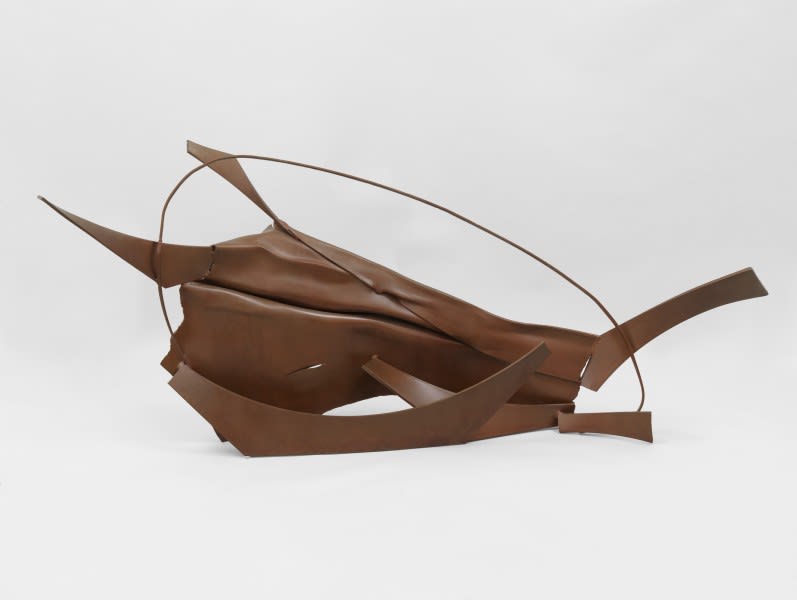
The exhibition also highlights canonical sculptors such as Anthony Caro for his critical overlap with the Color Field painters. Caro’s steel sculptures were often discussed alongside Color Field painting for their shared modernist concerns by critics like Clement Greenberg. His Table Piece CCXLVI (1975) expands the exhibition’s scope beyond painting, underscoring Color Field’s influence on spatial perception and material presence.
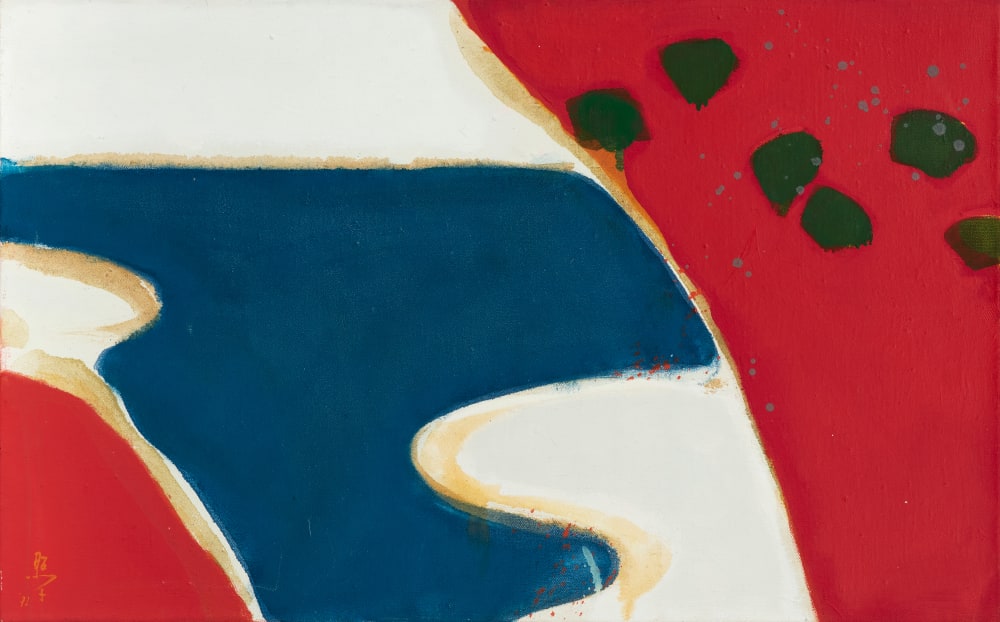
The exhibition also foregrounds important contributions by artists whose work complicates and expands canonical narratives. Dorothy Hood’s psychologically charged abstractions and Sheila Isham’s atmospheric compositions reveal parallel explorations of color field abstraction taking place beyond New York. Teruko Yokoi’s In March, Im März (1972), moreover, reflects a synthesis of European modernism, Japanese landscape, and Color Field sensibility. Expanded Fields affirms Color Field painting as one of the most consequential developments in postwar art, recalibrating abstraction through a focus on color’s emotional, optical, and structural potential. The exhibition carries on Hollis Taggart’s longstanding dedication to presenting museum-quality works and nurturing a more nuanced understanding of postwar artistic innovation.
For more information about Expanded Fields, please contact us at info@hollistaggart.com or +1 212.628.4000.
For press inquiries, please contact please contact us at press@hollistaggart.com or +1 212.628.4000.